
 |
| My Location


 Directions


Car Batteries
Your Car Battery Solution
Each fully backed by our worry-free, nationwide battery warranty, our car batteries deliver the performance you deserve and the quality we've delivered since 1952. After all, there's a reason auto technicians recommend an Outrageously Dependable battery. When you need to be somewhere, you need a car battery you can trust; you need an Interstate battery.
Find the right car battery dealer near you
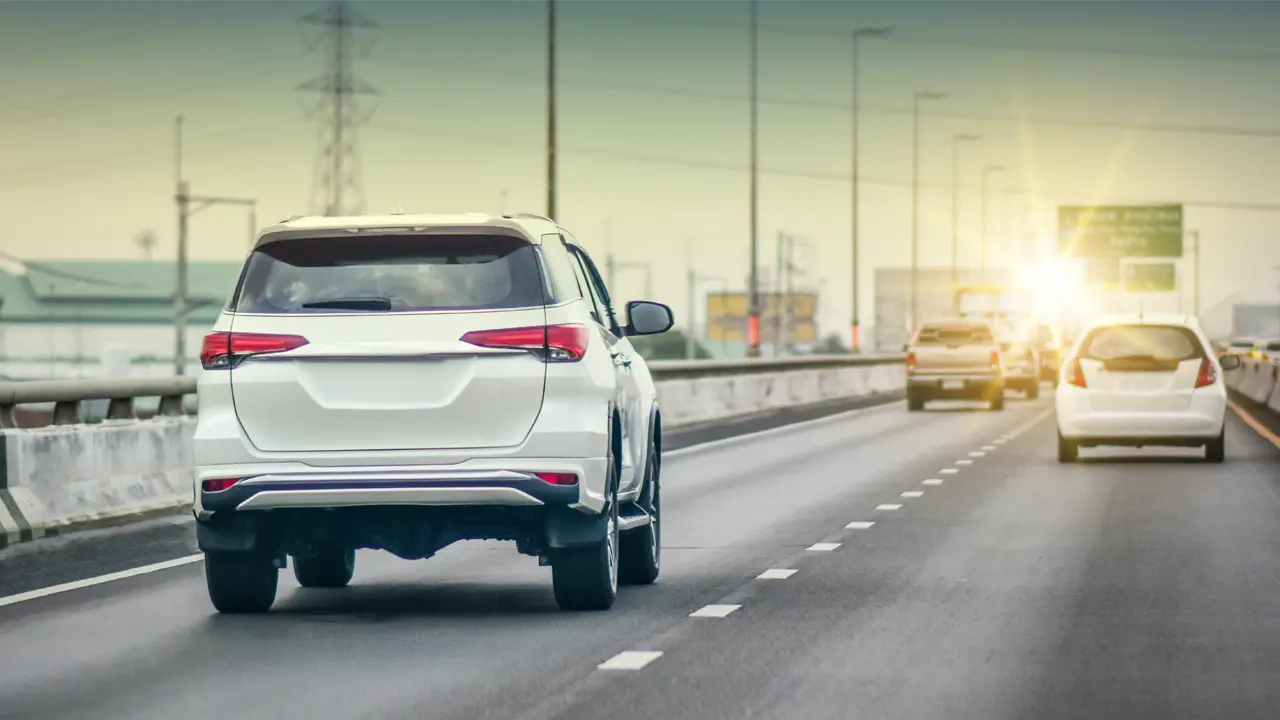
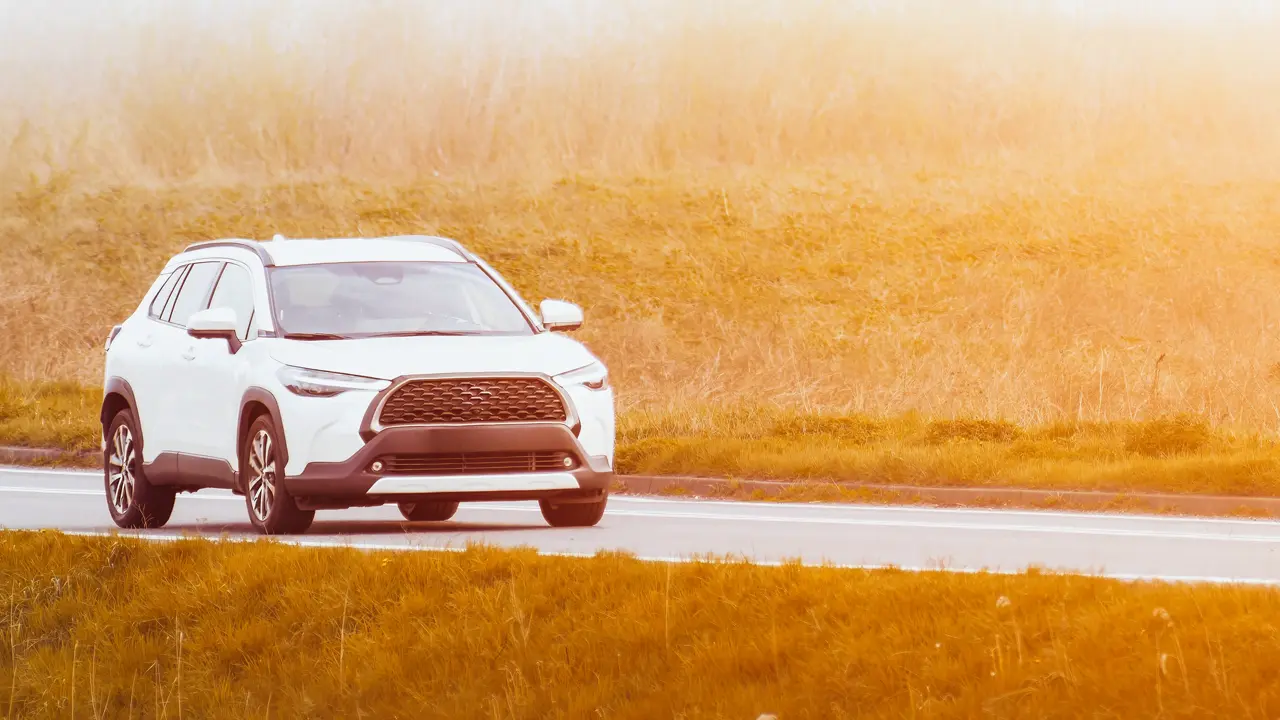
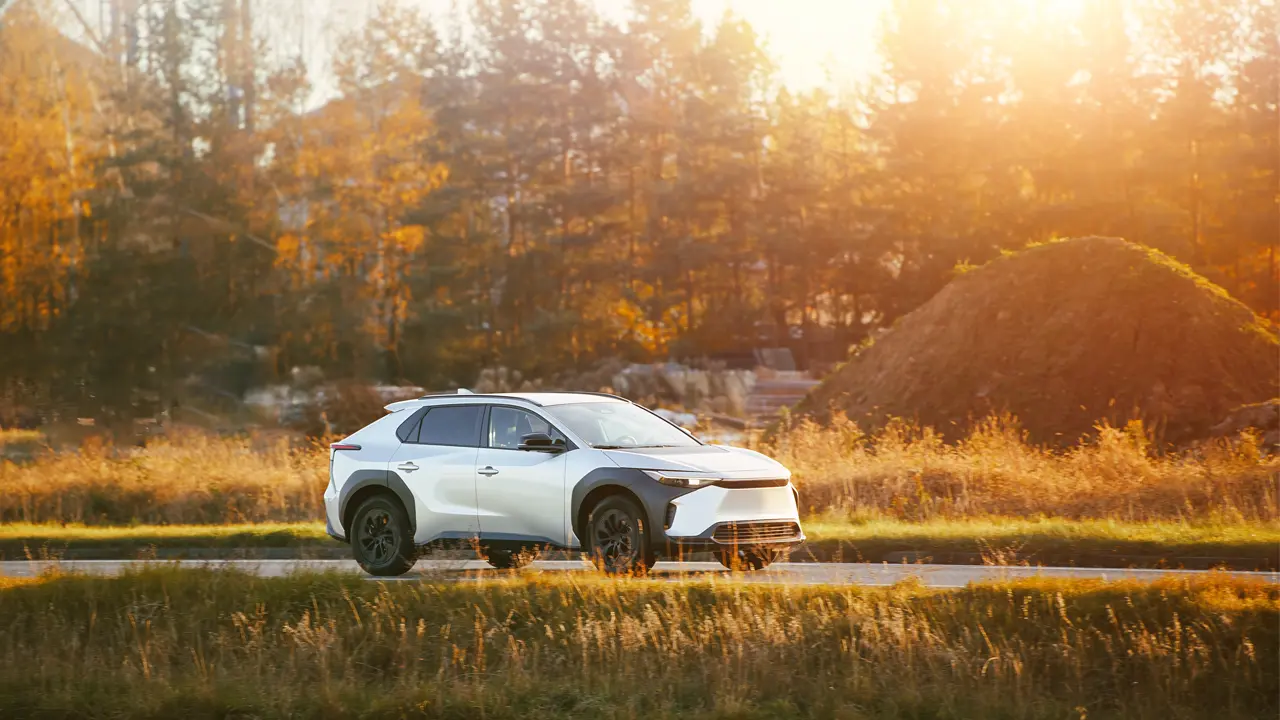
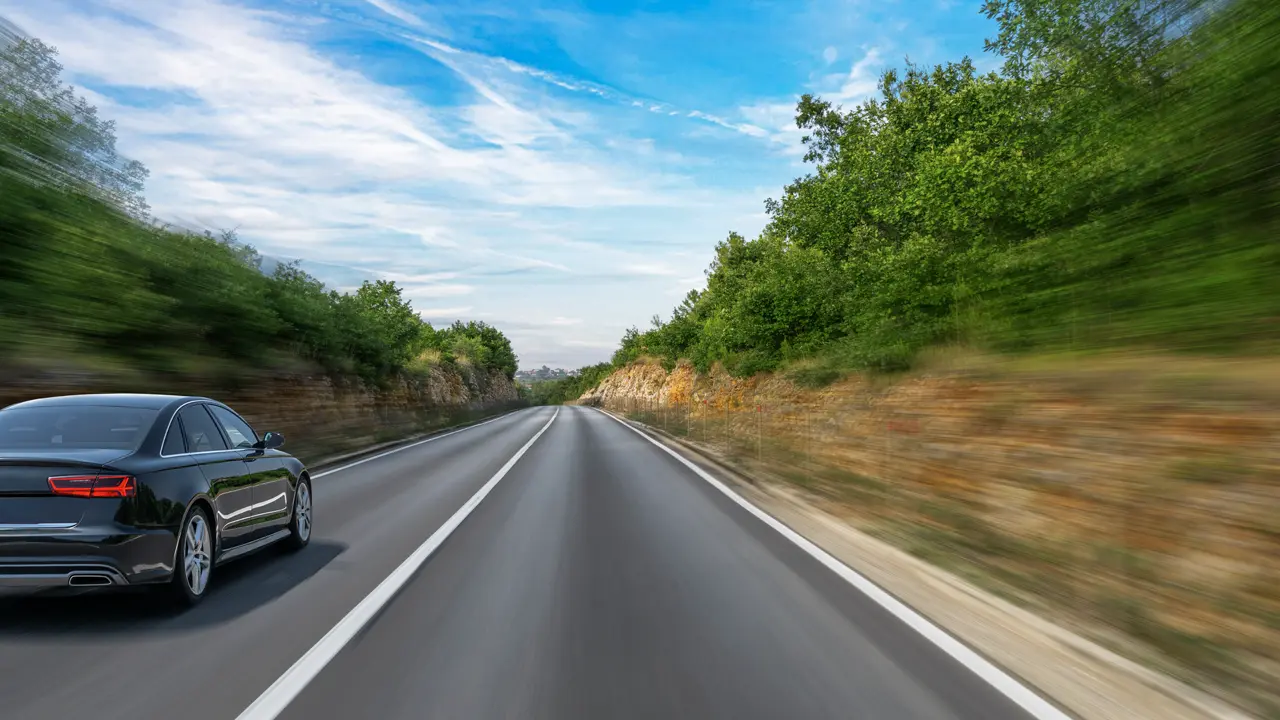
Interstate car batteries are the reliably performing, trusted choice for both daily commuters and weekend drivers. If you need a dependable battery replacement, Interstate has got you covered. Whether you're replacing a dead car battery, bringing in for battery recycling or upgrading your current battery, Interstate provides Outrageously Dependable® service, reliable power and competitive battery prices.
Find This Battery Near You
Hours of Operation
- Closed
- Contact Store For Hours of Operation
Products
Services
FAQ
Truck batteries typically last 3 to 5 years, though this varies by climate, usage and maintenance.
Interstate Batteries offers automotive batteries in Mexico through authorized distributors, with options for a wide range of vehicles and climates.
Pickup truck battery prices vary by brand, type and retailer. Availability may vary by region. Please contact an Interstate dealer for further details.
We recommend using the original equipment style battery per the manufacturer's specifications. This can be found in the application guide.
To find the right battery for your truck, check your owner’s manual for the correct BCI group size and cold cranking amps CCA, or refer to the label on your current battery.
The correct battery for an Italika motorcycle depends on the specific model and battery type. Availability may vary by region. Please contact an Interstate dealer for further details.
For most motorcycles, absorbed glass-mat (AGM) batteries are recommended because they are maintenance-free, vibration-resistant and fully sealed.
A dead motorcycle battery is usually identified when the bike won’t start. Common signs include a slow-cranking engine, rapid clicking sounds or no sound at all. Other indicators include rapid self-discharge, heavy corrosion on the terminals or a swollen battery case.
A motorcycle battery typically lasts between 1 to 2 years, with an average lifespan of about 3 years for standard lead-acid or AGM batteries. Proper maintenance can extend its life, while infrequent use, extreme cold or poor upkeep can shorten it. At Interstate, we are focused on factory-activated motorcycle batteries that don't require any maintenance besides proper charging during extended periods of non-use.
Battery prices vary by brand, group size and whether a core charge applies. Availability may vary by region. Please contact an Interstate dealer for further details.
A standard car battery typically lasts 3 to 5 years, though many need replacement around the 3-year mark due to heat, vibration and driving habits. High-performance AGM batteries can last longer. Regular testing is recommended after about 3 years of use.
We recommend following the original equipment replacement for that vehicle. Check the application guide or look in the owner's manual for the specifications.
Diesel truck batteries typically last 3 to 5 years, but heavy daily use can shorten that lifespan to around 3 years. Most batteries average about 4 to 5 years, while premium AGM models can last longer. Extreme cold, which increases cranking demand, and excessive heat, which accelerates fluid loss, are the primary factors that reduce battery life.
While it is technically possible to replace only one battery in a diesel truck, it is strongly recommended to replace both at the same time. Diesel trucks use paired batteries that work together, and mixing a new battery with an older one can strain the new one. This can lead to uneven charging, faster wear and premature failure of the new battery.
Used batteries in Mexico should be taken to designated collection points at retailers or to recycling programs. They should not be thrown in the general waste. Instead, they should be kept separate and delivered to approved recycling sites to help prevent pollution.
Car battery prices vary by brand, group size and whether a core charge applies. Availability may vary by region. Contact an Interstate dealer for more information.
Please reach out to your Interstate dealer for more information.
Car batteries typically last 3–5 years, depending on climate, driving habits and maintenance. Standard lead-acid batteries usually fall within this range, while AGM batteries can last longer. Proper care and avoiding extreme heat can help extend battery life.
Lead-acid batteries, commonly used in cars, contain an electrolyte made of 25%–28% sulfuric acid diluted in distilled water. This solution allows ions to move between lead plates, enabling the battery to store and release electricity. Sealed batteries, such as AGM and gel types, use the same mixture but hold it in an absorbed or gelled form.
Car batteries typically last 3–5 years, with 3-year-old batteries needing regular testing. To find your battery's age, look for a stamped date code (e.g., C3 for 2023 March) on the case. You can check remaining lifespan by using a digital multimeter or visiting an auto parts store for a free load test.
A low car battery typically shows signs such as a slow or sluggish engine crank, dim headlights, clicking sounds when starting or a dashboard warning light. Other indicators include a sulfur or rotten egg smell and a swollen battery case. Batteries older than 3–5 years are also more likely to fail.
Most V8 vehicles require a high-power battery, typically in BCI group sizes H6, H7, H8, with at least 700–800+ cold cranking amps (CCA). The exact size varies by vehicle: modern V8s often use H7 or H8 AGM batteries, while older models may use group 34 or group 24 batteries. We recommend checking your owner's manual or contacting your local Interstate dealer to find the correct battery for your vehicle.
Batteries are generally classified as disposable or rechargeable and are further categorized by chemistry, including lithium-ion, lead-acid and nickel-metal hydride. Common examples include alkaline batteries (disposable), lithium-ion batteries (used in portable electronics and EVs), lead-acid batteries (used in vehicles) and nickel-cadmium batteries (often used in power tools).
You can sell old car batteries for cash or receive a core credit at an authorized Interstate dealer.
The Chevrolet Aveo typically requires a Group Size 86 or Group Size 47 (H5) battery with at least 540 to 690 cold cranking amps (CCA). A standard 12-volt battery fits this vehicle, but an absorbed glass-mat (AGM) battery is recommended for better longevity and performance.
The 2020 Chevrolet Aveo typically uses a Group Size 47 (H5/L2) battery. A 12-volt battery with at least 600 to 650 cold cranking amps (CCA) is recommended for reliable starting.
A Chevrolet Aveo battery typically lasts 3 to 5 years. Extreme heat or cold and frequent short trips can shorten its lifespan, while ideal driving conditions may extend it.
The cost of a replacement battery for a 2020 Chevrolet Aveo varies by brand and battery type. Availability may vary by region. Contact an Interstate dealer for more information.
8-cylinder Chevrolet pickup trucks, such as the Silverado 1500, typically use a Group 48 (H6) or Group 94R (H7) battery. Modern models often require absorbed glass-mat (AGM) technology with high cranking power, generally exceeding 700 to 800 cold cranking amps (CCA). We recommend checking your owner's manual or contacting your local Interstate dealer for the correct battery for your vehicle.
Replacement battery prices for a Hyundai i10 vary by battery brand and type. Availability may vary by region. Contact an Interstate dealer for more information.
Replacement battery prices for a Hyundai vary by model and whether the vehicle requires an absorbed glass-mat (AGM) battery. Hybrid models typically cost significantly more. Availability may vary by region. Contact an Interstate dealer for more information.
A Hyundai i10 battery typically lasts 3 to 5 years. Frequent short trips, extreme heat or cold and heavy use of electrical accessories can all shorten its lifespan.
The Hyundai i10 uses a standard 12-volt lead-acid battery with a capacity between 38 Ah and 54 Ah, depending on the engine size. Battery size may differ in older models.
Replacement battery prices for a Mazda 3 vary depending on whether the vehicle requires a standard lead-acid battery or an absorbent glass-mat (AGM) battery, which is needed for models with i-Stop or i-Eloop systems. Availability may vary by region. Contact an Interstate dealer for more information.
Most Mazda 3 models use a 12-volt Group Size 35 battery. Models equipped with i-Stop or M-Hybrid systems typically require an absorbed glass-mat (AGM) or enhanced flooded battery (EFB), as these technologies are better suited to handle the demands of start-stop systems. Standard lead-acid batteries are compatible with older models, but AGM batteries are recommended for better performance and longevity across the board.
When a Mazda 3 battery dies, the car will not start, often producing only a clicking sound when the key is turned. Electrical components such as locks, windows and lights may become sluggish or stop working altogether. Before complete failure, common warning signs include a dark or unresponsive dashboard, dim headlights and a slow-cranking engine.
The Nissan Tsuru 3 (B13) typically uses a BCI Group Size 26R or 24F battery with 500 to 600 cold cranking amps (CCA). Standard flooded and absorbed glass-mat (AGM) options are available. We recommend checking your owner's manual or contacting your local Interstate dealer for the correct battery for your vehicle.
Replacement battery prices for a Nissan vary by model and battery type. Availability may vary by region. Contact an Interstate dealer for more information.
A standard Nissan car battery typically lasts 3 to 5 years. Lifespan depends on climate, driving habits and maintenance, with extreme heat or cold having the greatest impact on longevity.
No, Nissan batteries vary by vehicle model, year, trim and drivetrain. Depending on the car, the correct battery may differ in group size, cold-cranking amps (CCA) and type. Using the wrong battery may affect performance and reliability. We recommend checking your owner's manual or contacting your local Interstate dealer for the correct battery for your vehicle.
The Nissan Estaquitas (NP300/Pickup) typically uses a 12-volt lead-acid battery. Common fitments include Group Size 51R, 24F or 35, depending on the model year and engine. We recommend checking your owner's manual or contacting your local Interstate dealer for the correct battery for your vehicle.
The Nissan NP300 battery requirement varies by vehicle type. Standard models typically use a 12-volt 249-type wet battery, while the Navara D23 NP300 commonly requires a 48/H6 battery with around 760 CCA and 77Ah capacity. The Hardbody variant uses a standard flooded-lead-acid battery, while the Navara D23 often requires a maintenance-free, high-performance battery to support its start-stop system. We recommend checking your owner's manual or contacting your local Interstate dealer for the correct battery for your vehicle.
The Toyota Avanza typically uses a 12-volt maintenance-free battery. Newer models or those with higher power demands may require an enhanced flooded battery (EFB) or absorbed glass-mat (AGM) option. We recommend checking your owner's manual or contacting your local Interstate dealer for the correct battery for your vehicle.
Replacement battery prices for a Toyota vary depending on whether the vehicle requires a standard 12-volt battery or a high-voltage hybrid battery. Availability may vary by region. Contact an Interstate dealer for more information.
Toyota recommends an original equipment manufacturer (OEM) battery or one built to Toyota's exact specifications. These batteries are designed for optimal compatibility, safety and performance in Toyota vehicles.