|
|


How to Jump-Start a Car With Jumper Cables
5 Steps to Jump Your Car Battery
- Using jumper cables, attach the red clamps first, starting with the good car. Clamp to the cars' positive terminals, usually red but not always.
- Connect one black clamp to the good car’s negative battery terminal. Clamp the other on a metal component like a bracket, not the dead battery.
- Start the cars, good car first. If the dead car doesn’t start at first, give it a few minutes before trying again.
- Detach the black clamps. Start with the dead vehicle.
- Detach the red clamps. Start with the car you jumped. Make sure they don’t touch each other or anything else on the engine block.
Jumping a car is only a temporary fix.
Once you have the car going again, go to the nearest repair shop or your favorite battery store. Ask for a battery test to identify whether you need a professional auto repair or a simple battery replacement.
How to Jump an AGM Battery
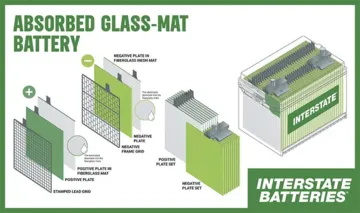
An absorbed glass-mat (AGM) battery holds charge differently than traditional batteries but can still be safely jump-started when done correctly.
You need a new battery after a jump.
Is it time for a fresh start? Visit one of our Interstate All Battery Center locations for a free battery test to find out.
Safety Guidelines Before a Battery Jump
Follow these guidelines to jump-start your car safely:
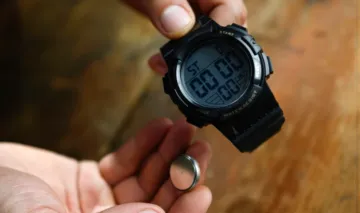
- Take off jewelry. This includes rings, necklaces or bracelets.
- Use gloves and glasses. Protect your eyes and hands when you’re around an open engine. Use safety glasses or sunglasses and nitrile or cloth gloves.
- Inspect the battery terminals. Corrosion at the posts can eat away at the terminals if you don’t clean it off. You might even need to replace them.
- Position the cars so they’re not touching. Since there will be an open circuit, touching cars could potentially drain the good battery.
- Keep jumper clamps from touching each other. This can cause a spark that damages the power control or onboard computers. Also, don’t dangle the clamps, drag them on the ground or through water.
- Inspect the battery. Look for signs of corrosion, heat damage, bulging or warping, cracks or the smell of rotten eggs.
- Get help from an auto professional. A qualified professional will have the tools and training to handle problems you can’t anticipate when jumping a car.
How Long to Charge a Car Battery with a Jump Start?
Jump leads do not charge a battery. All that power to jump-start the engine goes straight to the starter. It passes through the dead battery and doesn’t stay. Instead, it spreads to the rest of the car’s systems.
You could recharge the jumped car by driving, but you’d have to drive for hours at highway speeds and strain the alternator in the process.
That said, the dead battery might be too damaged to take a recharge.
Batteries can die on you any time.
Instead, get a battery test, available wherever Interstate is sold, to replace batteries before they die. You may never need a jump again.
Car Won’t Start with Jumper Cables?
Disconnect the jump leads and explore some of the other reasons why your car won’t start.
It might not be the battery. It could be:
- The starter, if you hear clicking or grinding noises but the electronics turn on.
- The ignition switch, if the electronics turn on but there’s no sound at all when you try to start.
- The alternator, if electronics turn on briefly but fade out.
- A fuse, if the electronics turn on, the engine turns over, and it still doesn’t start.
It is also possible the car battery is so dead that it’s blocking the jump start.
Can a Battery Be Too Dead to Jump?
Yes, your battery might be so dead that it stops the current from the good car from getting to your starter. Dead batteries, by definition, don’t conduct electricity well.
There’s one easy way to test if your battery is too dead to jump: Try to turn the electronics on.
If the dashboard lights turn on but fade in less than a minute, the battery needs to be recharged before a jump start will work.
In that case, you can connect the dead car to a running car and leave it for 10 minutes.
How to Prevent Dead Batteries.
It’s entirely possible to avoid getting a dead battery if you get a battery test twice a year. Then, when a battery expert says it’s weak, replace it before it fails.
We recommend a battery test every six months or at least as often as your oil change. Car repair shops near you can test and identify weak batteries at risk of failing soon.
Car batteries last for three to five years, but days of high heat can shorten their lifespan by drying them out and speeding up corrosion. Too many short drives without recharging on the highway can also deplete your battery, too.
Instead of draining your roadside assistance membership for a jump start, save those calls for a true emergency you couldn’t prevent.
Retire your weak car batteries before you even need a jump start.
Find a Repair Shop Near You.
Interstate Batteries has a network of more than 150,000 auto repair shops, garages and more. One of them is nearby right now, ready to help you.